


Keynote Speaker Photography: Practical Tips for Conference Organisers

Photographing keynote speakers is one of the highest-value parts of conference coverage: those images appear in marketing, press releases, social media and internal reports. Good keynote speaker photography balances a clear portrait of the speaker with context — the stage, the audience and the moment. Below I explain straightforward, practical steps you can use when preparing and running a keynote session at a business conference.
Keynote speaker photography: what to aim for
Your primary goals are clarity, expression and context. You want sharp, well-exposed photos that show the speaker’s face and body language, capture key gestures, and include occasional wider shots that show the stage and audience. Think of a mix: tight head-and-shoulders portraits during important lines, medium shots showing gestures, and wide images that place the speaker in the event environment.
Prioritise shots that will be useful after the event: hero images for press, landscape-orientation images for social channels, and a few vertical crops for stories and mobile use. Discuss orientation priorities with your photographer in advance so they can plan movement and framing.
Before the session: planning and the photography brief
Clear communication before the session makes the photographer’s job far easier. Share the running order, speaker names and a short brief on the moments you expect to matter — for example, the opening line, a slide reveal, or an applause moment. If you have a press Q&A or photo opportunity after the talk, note its timing and location.
When preparing your brief, include practical details: stage layout, microphone type (handheld, lavalier), whether the speaker will use a lectern, and whether slides will be shown. You can follow structured templates for this; for guidance on writing a focused brief see this guide to writing your conference photography brief.
Also consult a practical shot checklist so you and your photographer agree on priorities — the essentials for most conferences are listed in a useful conference photography shot list.
Reserve a small window before the keynote for a quick stage walk-through with AV and the photographer. This lets the photographer evaluate sightlines, test dominant light sources and confirm where they can stand without blocking the audience or cameras.

On-stage techniques and composition
Positioning: your photographer should plan at least two shooting positions. One closer to the front for tight shots and one further back (or on a side balcony) for wider context images. If movement is permitted, a roaming second shooter can capture different angles; otherwise, identify a few fixed positions that cover the stage adequately.
Framing and composition: start with medium shots that include the speaker from waist to head to capture gestures and posture. Tight head-and-shoulders shots work well for quotes and press. Use the stage, lectern or projection as compositional elements — a slight offset where the speaker is framed against a dark backdrop or a lit screen often creates a strong image.
Lighting: stage lighting is typically mixed and can change across a talk. Ask the AV team for a lighting plan and for static lighting during key moments where possible. In low or contrasty light, photographers may use faster lenses and higher ISO settings; if a flash is permitted, limit its use to avoid distracting the speaker and the audience.
Timing: anticipate the talk rather than react. Key moments to capture include the opening line, a strong hand gesture, moments of laughter or applause, slide reveals that trigger a reaction, and the closing remark. If the speaker invites questions, be ready to photograph the interaction and audience engagement.
Slides and projection: avoid overexposing the screen. When the slide content is important to the image, use wider shots that include both speaker and readable slide. When slides are purely background, focus on the speaker and let the screen go slightly out of focus for atmosphere.
Practical considerations for international organisers
If you are bringing speakers to Budapest or working with local suppliers, confirm language needs and timeline cues — translators or timed translations can affect when key points occur. When sourcing vendors, some clients search specifically for a conference photographer Hungary to ensure local knowledge of venues and logistics. Ask potential photographers about their experience with stage lighting and large auditoriums to avoid surprises on the day.
For international teams, add a short photographer contact to your run sheet and share it with stage management and AV. That single point of contact avoids miscommunication and helps photographers adapt if the schedule runs early or late.
After the talk: selection, captions and deliverables
Agree on deliverables in advance: the number of hero images, cropped variants, and whether you need expedited images for same-day press. Provide caption details and speaker name spellings so images are ready for publication without delay.
When reviewing images, select a primary hero shot that clearly shows the speaker’s face and expression, and choose supporting images that show interaction, audience reaction and contextual stage visuals. If you need a quick turnaround for social media, request a small set of pre-selected images to be processed first.
For more detail on the broader photo needs of corporate events and how images support PR and branding, see this post on what photos every corporate event should produce.
If you are still planning photography coverage for your whole event, this planning guide for hiring a conference photographer in Budapest explains timelines and practical logistics.
For organisers who need a local partner, consider including a link to your photographer’s service page in the brief so everyone knows who to contact. You can view a local option here: event photographer in Budapest.
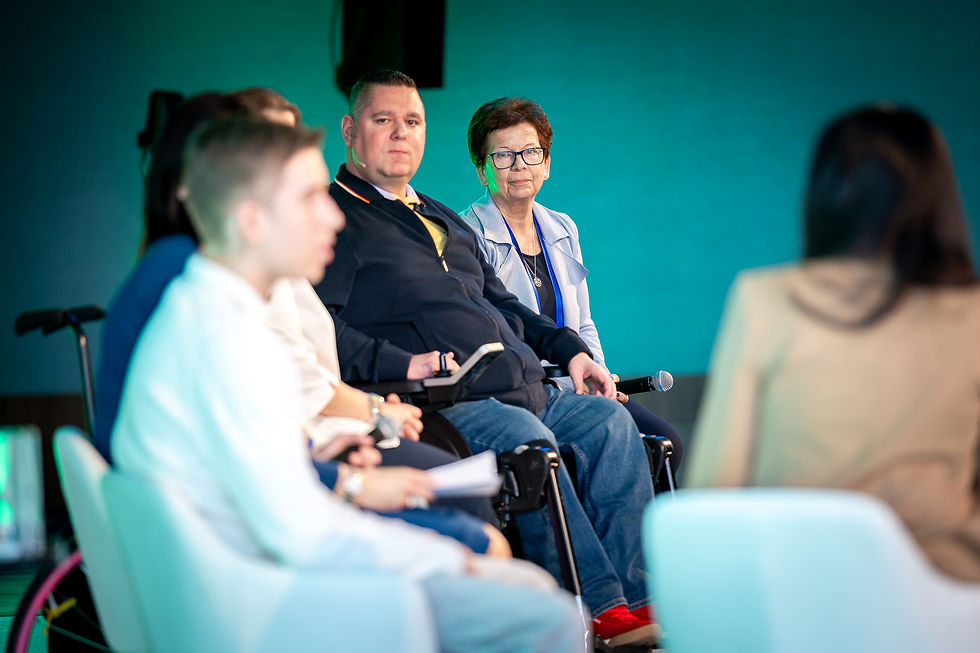
Quick checklist for keynote speaker photography
Share the run order, speaker names and stage layout in the brief.
Agree on shot priorities and image orientations before the session.
Arrange a short stage walk-through with AV and the photographer.
Plan two shooting positions (tight and wide) and confirm access.
Request static lighting during key moments where possible.
Confirm deliverables, captions and any expedited images needed for press.


